Bipolar TURP & BPH Surgery Specialists, Ahmedabad

TURP Surgery in Ahmedabad — Proven Prostate Relief, No Skin Incision Required

From early BPH managed with medication to severe obstruction treated with gold-standard laser HoLEP — our expert urologist provides the right care for your prostate at every stage. Same-day consultations available for TURP surgery.

1000+
TURP Procedures
100%
Flow Improvement
No
Skin Incision
2–3
Day Discharge
Bipolar TURP Technology
Insurance Accepted
HoLEP Also Available
24/7 Emergency

Book a TURP Consultation

Tell us your symptoms — we'll respond within 2 hours
Can't urinate? Call us directly — this is an emergency

    TURP Surgery at Trayam Hospital
    Understanding TURP

    What is TURP Surgery? Transurethral Resection of the Prostate Explained

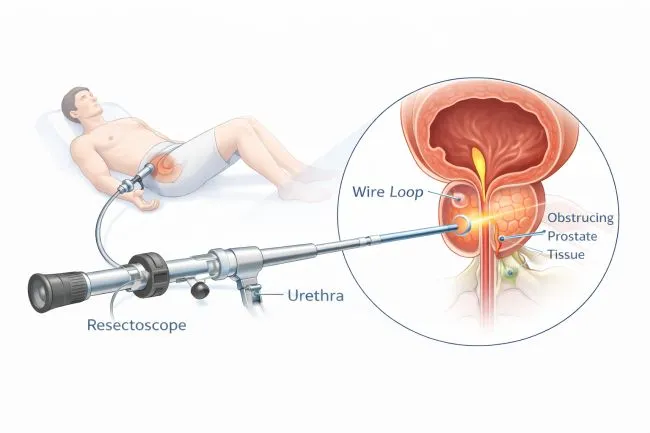
    TURP — Transurethral Resection of the Prostate — removes the prostate tissue blocking urine flow entirely through the urethra. A resectoscope instrument is passed through the urethra to the prostate, where a wire loop uses electrical energy to cut away the obstructing tissue. There is no skin incision whatsoever — the entire procedure is endoscopic.

    TURP has a 50-year proven track record as the surgical gold standard for BPH. Modern bipolar TURP uses saline irrigation instead of glycine — completely eliminating TURP syndrome, a dangerous fluid absorption complication of older monopolar technique. Most patients notice a dramatic improvement in urine stream from the day the catheter is removed.

    • No skin incision — resectoscope passes through urethra to prostate under spinal anaesthesia
    • Bipolar TURP with saline irrigation — zero risk of TURP syndrome at Trayam
    • 30–90 minute procedure — catheter removed at 24–48 hours, discharge day 2–3
    • 95% of patients achieve dramatic and lasting improvement in urine flow rate
    • Fully insurance-covered — cashless admission with all major Indian insurers
    Who Needs TURP

    When is TURP Surgery Needed? — 4 Main Indications for Prostate Surgery in Ahmedabad

    TURP is not the first step for BPH — medication always comes first. But when medication fails or complications arise, TURP delivers reliable, lasting relief. These are the four main indications.

    Primary
    indication

    BPH Enlarged Prostate — TURP When Medication Has Failed

    Moderate-to-severe BPH persisting despite a 3–6 month trial of alpha-blockers and 5-ARIs. TURP is the most effective surgical option for prostate glands of 30–80g when medication alone is no longer adequate.

    Most Common
    Urgent
    indication

    Acute Urinary Retention (AUR) — TURP After Emergency Catheterisation

    Complete inability to pass urine requiring emergency catheterisation. Once stabilised, TURP is planned as the definitive treatment to remove the obstruction and prevent further retention episodes.

    Emergency
    Recurrent
    indication

    Blood in Urine from Enlarged Prostate — TURP Stops Haematuria in 95% of Cases

    Recurrent or persistent blood in urine from highly vascular enlarged prostate blood vessels. TURP removes the bleeding source — the vascular prostatic tissue — resolving haematuria in over 95% of cases.

    Haematuria Control
    Chronic
    indication

    Recurrent UTI & Bladder Damage from BPH — TURP Resolves the Obstruction

    Residual urine from chronic BPH obstruction creates a breeding ground for bacteria. TURP resolves the underlying obstruction — stopping the cycle of recurrent infections and preventing progressive bladder or kidney damage.

    Infection Prevention
    Recognise Your Symptoms

    BPH & Enlarged Prostate Symptoms TURP Surgery Can Resolve

    These obstructive and irritative voiding symptoms — caused by BPH squeezing the urethra — respond dramatically to TURP when medication alone is no longer sufficient.
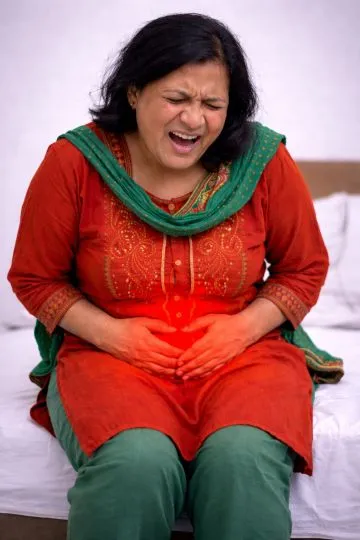
    Acute Urinary Retention — Cannot Pass Urine, Emergency TURP Needed

    Acute Urinary Retention — Cannot Pass Urine, Emergency TURP Needed

    Suddenly unable to pass any urine at all — emergency catheterisation needed immediately. Call us now.
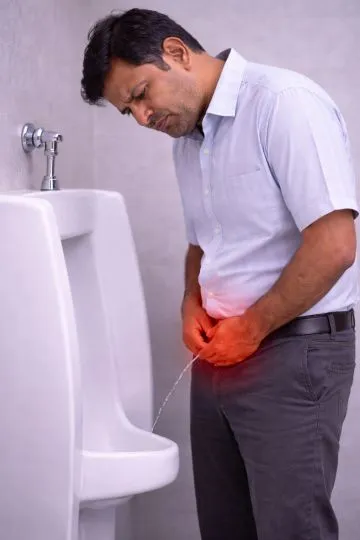
    Weak or Slow Urine Stream — Hallmark BPH Obstruction Symptom

    Weak or Slow Urine Stream — Hallmark BPH Obstruction Symptom

    Consistently slow, thin or hesitant stream — worsening progressively over months or years. The hallmark symptom of BPH obstruction.
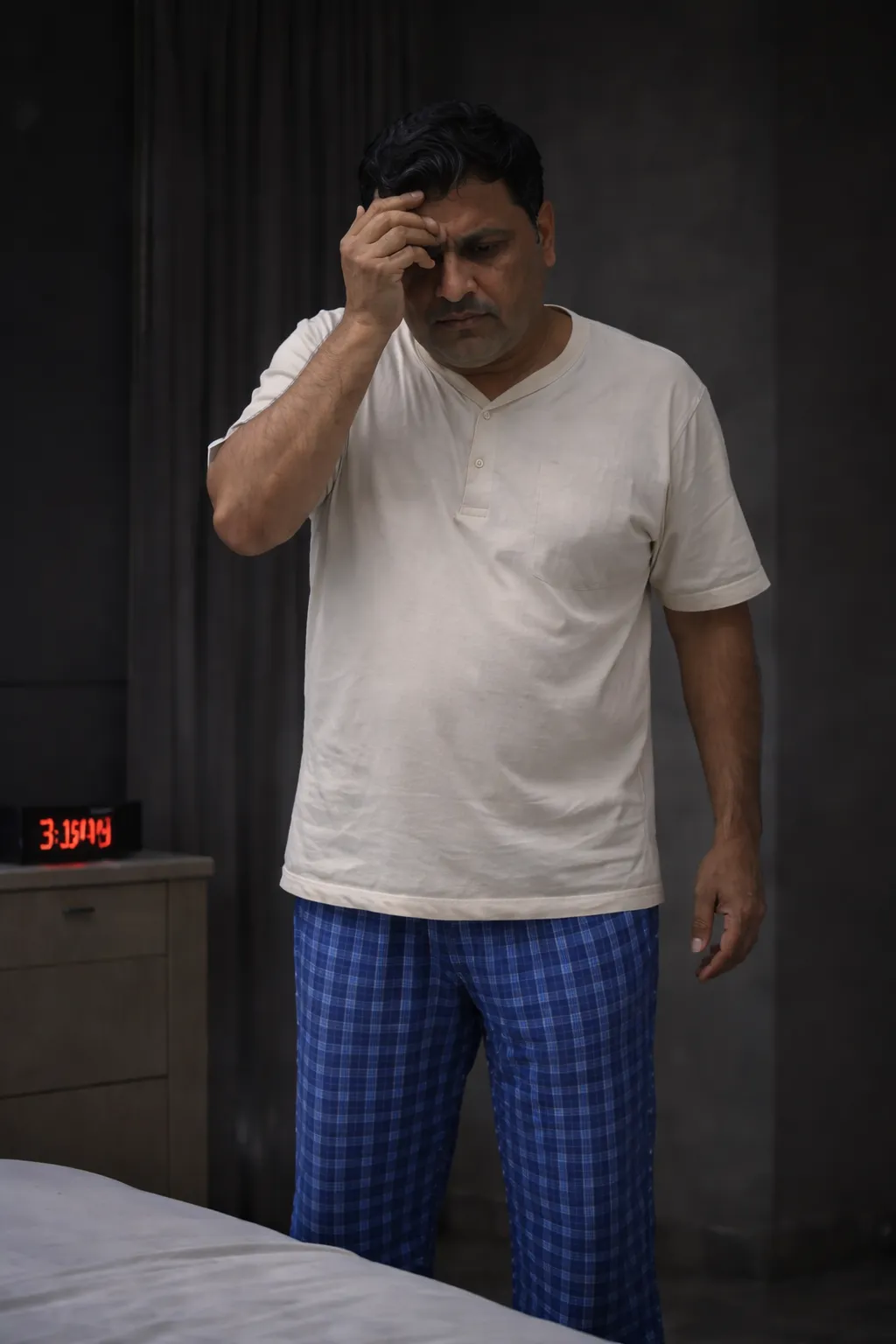
    Frequent Night Urination (Nocturia) — BPH Disrupting Sleep

    Frequent Night Urination (Nocturia) — BPH Disrupting Sleep

    Waking 3–6 times per night to urinate — severely disrupting sleep quality and daytime energy. A leading quality-of-life complaint in BPH.
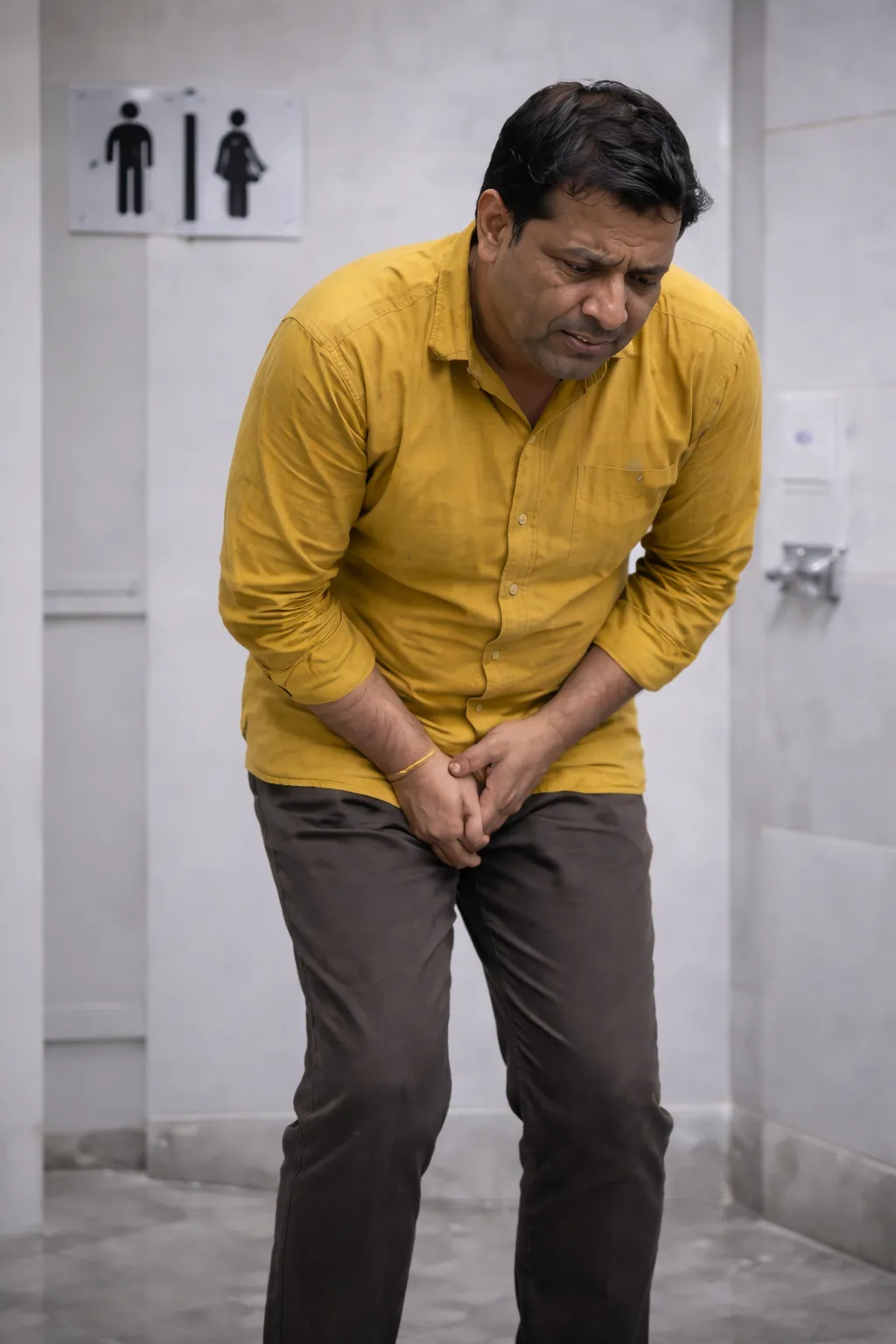
    Urinary Urgency & Frequency — Overactive Bladder from Prostate Obstruction

    Urinary Urgency & Frequency — Overactive Bladder from Prostate Obstruction

    Sudden intense urge to urinate every 30–60 minutes, unable to delay. Overactive bladder secondary to BPH outflow obstruction.
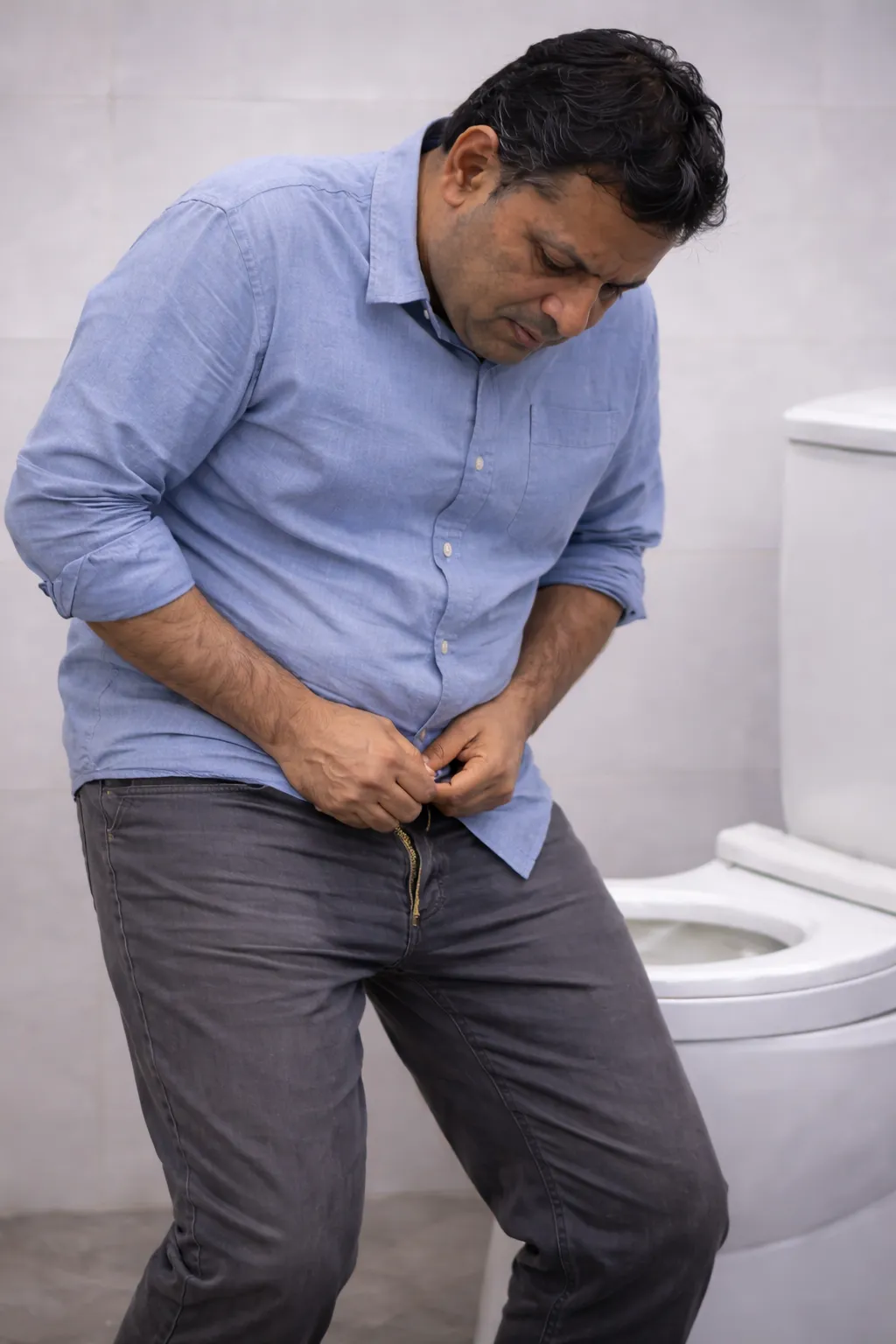
    Straining or Hesitancy to Urinate — Prostate Squeezing the Urethra

    Straining or Hesitancy to Urinate — Prostate Squeezing the Urethra

    Needing to push, strain or wait 30–60 seconds before urination starts — the prostate squeezing the urethra resists flow initiation.
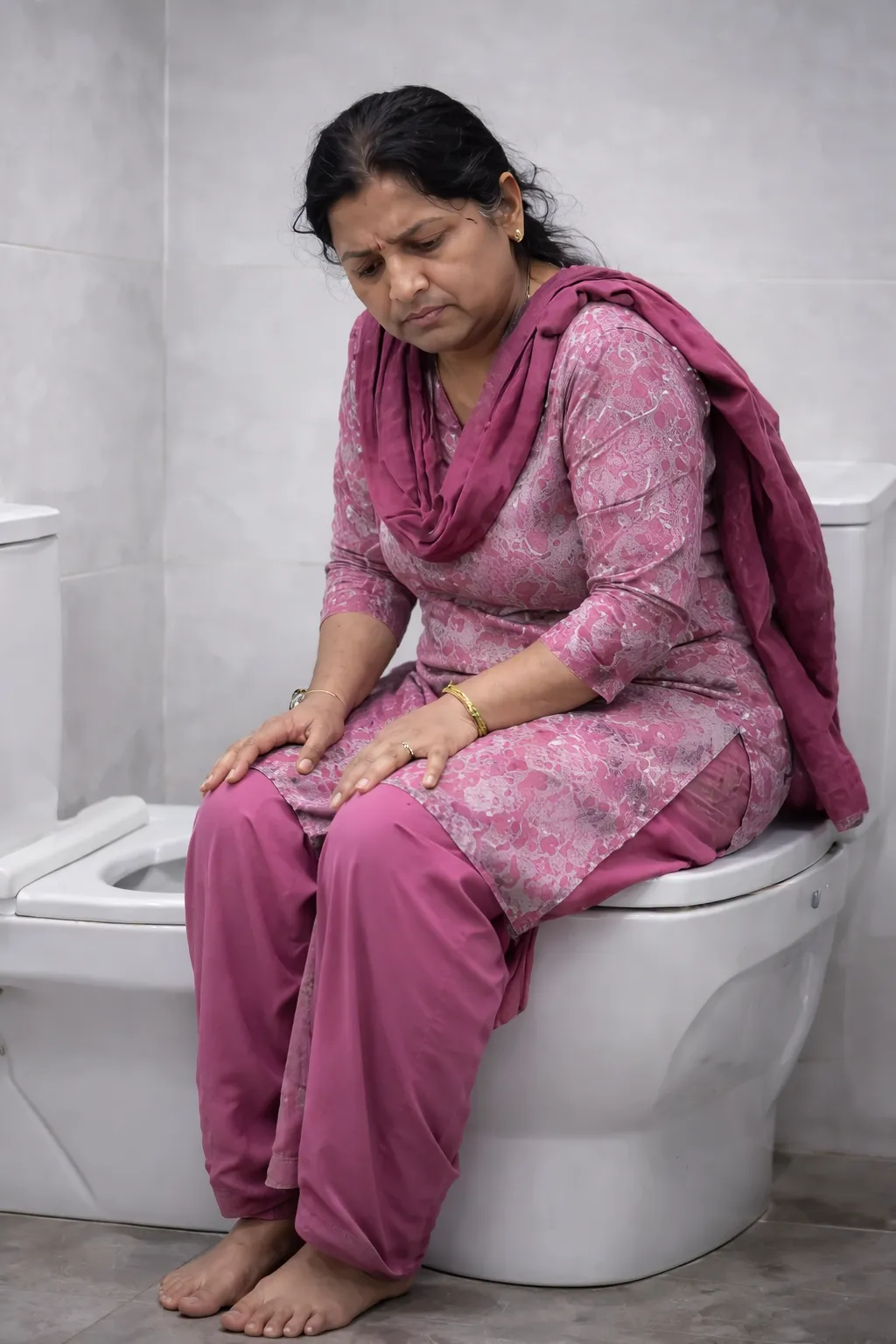
    Incomplete Bladder Emptying — BPH Residual Urine Causing Infection Risk

    Incomplete Bladder Emptying — BPH Residual Urine Causing Infection Risk

    Bladder never fully empties — residual urine causes infection risk and the sensation of needing to go again soon after finishing.
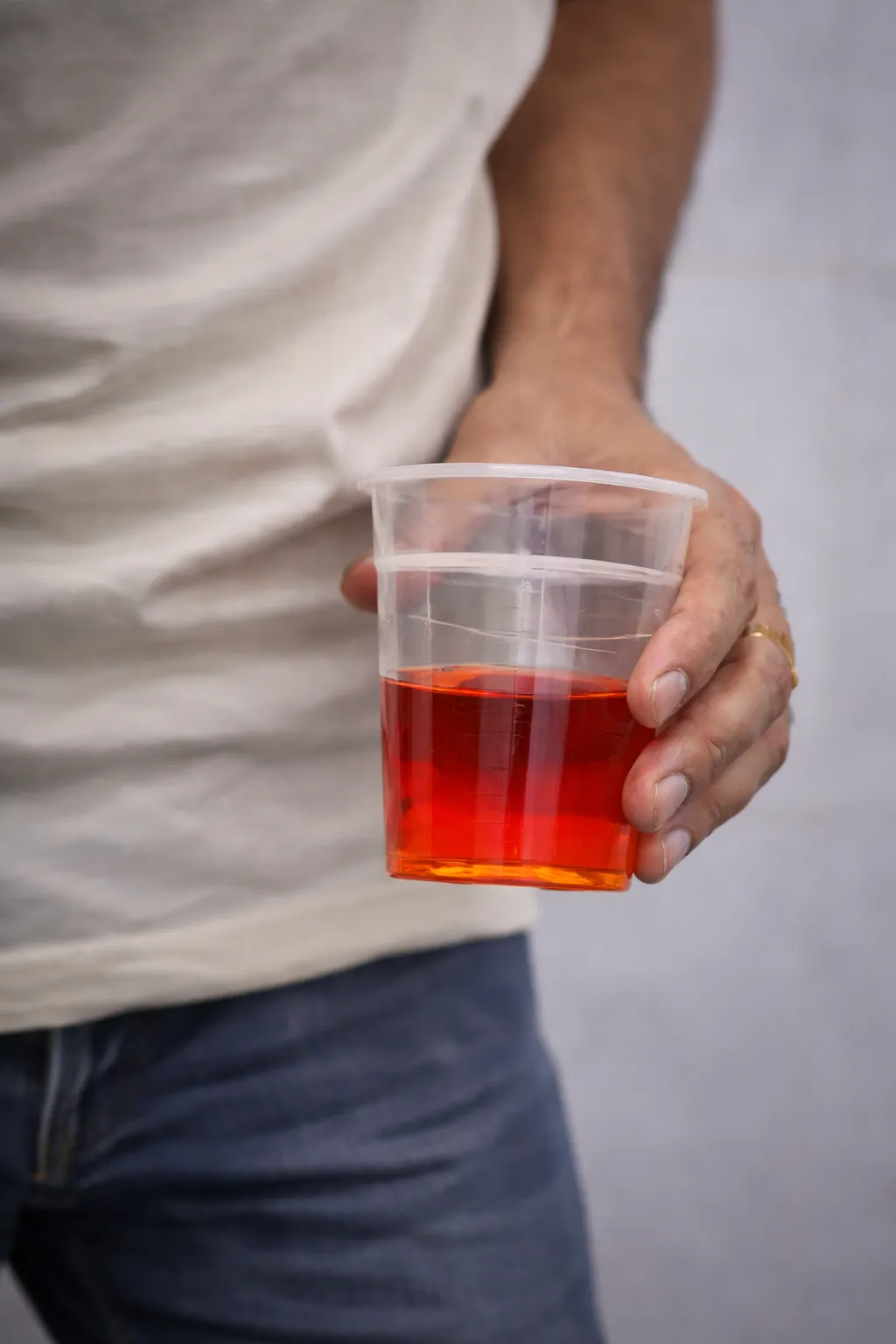
    Blood in Urine (Haematuria) — Vascular Enlarged Prostate, TURP Indication

    Blood in Urine (Haematuria) — Vascular Enlarged Prostate, TURP Indication

    Pink or red urine from vascular enlarged prostate blood vessels. Painless intermittent haematuria from BPH is a recognised TURP indication.
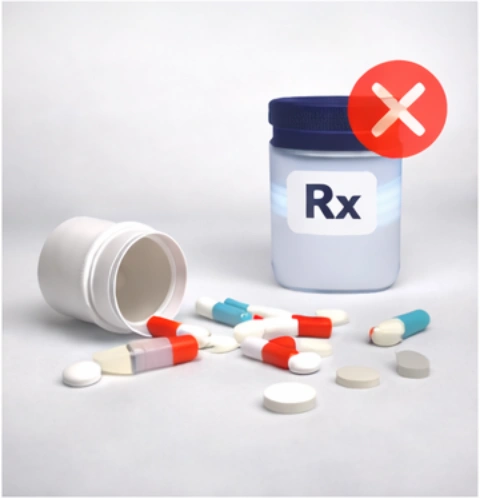
    Alpha-Blockers Not Working — Time to Consider TURP or HoLEP Surgery

    Alpha-Blockers Not Working — Time to Consider TURP or HoLEP Surgery

    3–6 months of alpha-blockers and 5-ARIs with inadequate relief — a clear indication that TURP or HoLEP surgical treatment is the right next step.

    Treatment Pathways

    TURP Surgery & BPH Treatment Options in Ahmedabad — Medication to HoLEP

    Not every enlarged prostate needs surgery. We always start with the simplest effective option — and only recommend TURP when it is genuinely the right next step for your specific prostate and circumstances.

    BPH Medications — Alpha-Blockers & 5-ARIs, Always First Before TURP

    Alpha-blockers + 5-alpha reductase inhibitors

    Mild-to-moderate BPH is managed first with alpha-blockers (tamsulosin, alfuzosin) which relax the prostate muscle and improve flow within days, combined with 5-ARIs (finasteride, dutasteride) which shrink the gland over 3–6 months. A full medication trial is always completed before surgery is considered.

    No Surgery Oral Tablets
    Best for: Mild-to-moderate BPH — the starting point before considering any surgical option

    Bipolar TURP Surgery in Ahmedabad — Saline-Based, No TURP Syndrome Risk

    Saline-based transurethral resection

    A resectoscope passed through the urethra to the prostate, where a bipolar electrical loop removes obstructing tissue in saline irrigation — completely eliminating TURP syndrome risk. 30–90 min under spinal anaesthesia. Catheter removed at 24–48 hours. Discharge day 2–3. The standard at Trayam for prostate glands of 30–80g.

    No Incision No TURP Syndrome 2–3 Day Stay
    Best for: Moderate BPH 30–80g — failed medication or retention episodes

    HoLEP Surgery in Ahmedabad — Gold Standard for Large Prostates Over 80g

    Gold standard for large prostates >80g

    HoLEP uses a holmium laser to enucleate the entire obstructing adenoma through the urethra — regardless of prostate size. Achieves complete tissue removal with the lowest re-treatment rate of any BPH procedure and 24-hour discharge. We offer both TURP and HoLEP — you receive the most appropriate recommendation for your prostate size.

    Any Prostate Size 24hr Discharge
    Best for: Prostate >80g, anticoagulated patients, lowest re-treatment priority

    Emergency Catheterisation for Acute Urinary Retention — 24/7 at Trayam

    Immediate relief of acute urinary retention

    Acute urinary retention requires immediate urethral catheterisation — available 24/7 at Trayam. A trial without catheter is attempted at 48–72 hours with alpha-blocker cover. If the trial fails, TURP or HoLEP is planned as a semi-elective procedure to remove the obstruction and prevent recurrence.

    Emergency 24/7 Immediate Relief
    Best for: Complete acute urinary retention — emergency first, TURP planned after stabilisation

    Watchful Waiting for Mild BPH — Annual Review, No Surgery Needed

    Monitoring for mild, stable BPH

    Mild BPH with IPSS score under 8, no complications and symptoms not significantly affecting quality of life may be safely monitored. Annual uroflowmetry, post-void residual scan and PSA review. Patient education on fluid timing, caffeine reduction and double voiding technique.

    No Treatment Annual Review
    Best for: IPSS <8, no retention history, mild symptoms, patient preference

    Full BPH Assessment — PSA, Uroflowmetry & Prostate Ultrasound Before Any Decision

    PSA, uroflowmetry & prostate ultrasound

    Before any treatment decision — PSA test, uroflowmetry (urine flow rate), post-void residual scan, IPSS symptom score and prostate ultrasound for gland size. This objective workup determines whether medication, TURP, HoLEP or watchful waiting is the right choice for your specific prostate.

    Non-Invasive Same-Day Results
    Best for: Every new patient — before any treatment recommendation is made
    Why Trayam Urology

    Why Choose Trayam for TURP Surgery in Ahmedabad?

    Our TURP programme combines bipolar technology, honest surgical decision-making and 24/7 emergency access — the right patient gets the right procedure at the right time.
    1000+
    TURP Procedures
    100%
    Flow Improvement Rate
    Bipolar
    TURP Technology
    24/7
    Emergency

    Bipolar TURP Technology — Zero TURP Syndrome Risk, Safer for Older Patients

    We use only bipolar TURP with saline irrigation — completely eliminating TURP syndrome, the dangerous fluid absorption complication of older monopolar technique. Safer for older patients and longer operative times.

    TURP & HoLEP Both Available — You Get the Right Procedure, Not the Default One

    We offer both procedures and recommend the most appropriate one for your prostate size and situation. For glands over 80g or patients on anticoagulants, HoLEP is recommended over TURP — with full honest explanation.

    Surgery Only When Genuinely Needed — Medication Trial Always Completed First

    We always complete a full medication trial before surgery. TURP is recommended only when symptoms are severe, medication has failed, or complications such as retention, haematuria or recurrent UTI have developed.

    Spinal Anaesthesia for TURP — Safer for Cardiac & Elderly Patients

    Most TURP procedures at Trayam are performed under spinal anaesthesia — avoiding general anaesthesia risks in older patients with cardiac or respiratory conditions. Pre-operative optimisation is thorough and complete.

    24/7 Emergency Catheterisation — Acute Urinary Retention Treated at Any Hour

    Acute urinary retention is a urological emergency that does not wait for office hours. Our team is available around the clock for emergency catheterisation, stabilisation and planning of definitive treatment.

    Cashless Insurance & PMJAY Accepted — Transparent TURP Surgery Cost in Ahmedabad

    TURP is covered by virtually all Indian health insurance policies. Trayam Hospital is empanelled with all major insurers. Our team manages pre-authorisation, paperwork and claims support from day one.

    Expert Care

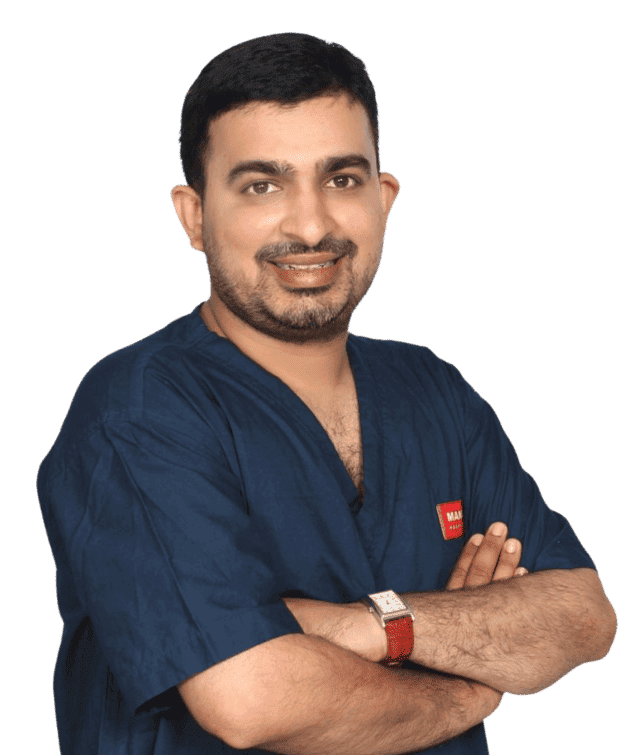
    Meet Dr. Renish Patel — TURP & Prostate Surgery Specialist in Ahmedabad

    Dr. Renish Patel — Trayam Hospital
    MCh Urology TURP Expert HoLEP Trained BPH Specialist 10+ Yrs Exp.

    Dr. Renish Patel

    Senior Consultant Urologist & Prostate Surgery Specialist — Trayam Hospital

    Dr. Renish Patel has performed over 5,000 TURP procedures — including complex cases in older patients with cardiovascular comorbidities and patients on anticoagulant therapy. The surgical philosophy is straightforward: complete a proper medication trial first, use the safest modern technique (bipolar TURP), and recommend HoLEP honestly when it is the better option for the patient's specific prostate size.

    • MCh Urology
    • Advanced Bipolar TURP & HoLEP Training
    • Fellowship in Minimally Invasive Prostate Surgery
    • Published outcomes in bipolar TURP vs HoLEP for moderate BPH
    • Speaker — Urological Society of India Annual Conferences
    A Common Problem in TURP Decisions

    TURP Recommended Without Completing a Medication Trial?

    TURP is an excellent, proven procedure — but it should only be recommended when medication has genuinely failed, or when a clear complication makes surgery necessary. Here are the red flags patients often encounter.

    • Surgery recommended without a 3–6 month medication trial — mild-to-moderate BPH often responds well to alpha-blockers and 5-ARIs. TURP without a complete medication trial for non-emergency BPH is premature and not in the patient's best interest.
    • TURP recommended for a large prostate (>80g) without discussing HoLEP — for large glands, HoLEP achieves complete enucleation with lower re-treatment rates than TURP. If only TURP is offered for a large prostate, ask about HoLEP specifically.
    • Monopolar TURP with glycine irrigation still being used — monopolar TURP carries a risk of TURP syndrome from glycine absorption. Modern bipolar TURP with saline eliminates this risk entirely. Ask which system your surgeon uses before consenting to surgery.
    • No objective uroflowmetry before any surgical recommendation — urine flow measurement and post-void residual scan are essential before any surgical decision. A recommendation based on symptoms alone, without objective flow data, is insufficient.
    The Trayam TURP Promise Complete medication trial first. Bipolar technology as standard. Honest when HoLEP is the better option for your prostate size.

    Objective Flow Assessment Before Any Recommendation

    Uroflowmetry, post-void residual scan and IPSS score are completed at every consultation. Surgical decisions are based on objective data — not just reported symptoms alone.

    TURP vs HoLEP — Honest, Size-Based Recommendation

    For prostates under 80g, bipolar TURP is excellent. For larger glands or patients wanting the lowest re-treatment rate, we recommend HoLEP — and explain the reasons clearly so you can make an informed decision.

    Bipolar TURP as Standard — No Exceptions

    All TURP procedures at Trayam use bipolar technology with saline irrigation. We do not perform monopolar TURP. Modern, safer technique as the non-negotiable standard of care.

    Have BPH symptoms? Uncertain whether you need TURP?
    Bring your PSA and uroflowmetry if available — or we start fresh. We’ll tell you honestly whether medication can still help, or whether TURP is the right next step.

    Confidential  ·  No Obligation  ·  Reply in 2 Hours

    What to Expect

    Recovery After TURP Surgery

    TURP recovery is faster than open surgery — most patients are home within 2–3 days with significant improvement in urine flow apparent from the day the catheter is removed.


    Day 1 — Catheter In Place

    A urethral catheter drains the bladder while the resected area begins to heal. Pink-tinged urine (haematuria) is entirely normal and expected. Rest, IV fluids and mild analgesia. Visitors welcome.

    🏥 Rest & monitor

    Day 2–3 — Catheter Out, Discharge

    Catheter removed when urine is clearing. Most patients pass urine comfortably with noticeably improved flow almost immediately. Once voiding well, you are discharged home — usually day 2 or day 3.

    🚿 Walk & void independently

    Week 1–2 — Home Recovery

    Drink 2–3 litres of water daily to flush the bladder. Mild urgency and frequency are expected for 2–4 weeks as the bladder recovers from chronic obstruction. Avoid heavy lifting and strenuous activity.

    💧 High fluid intake

    Week 2–4 — Return to Activities

    Driving resumes at 2 weeks. Desk work at 2 weeks. Avoid constipation — straining increases post-operative bleeding risk. Sexual activity resumes at 4–6 weeks. Retrograde ejaculation is expected and completely normal.

    🚗 Drive at 2 weeks

    Month 1–3 — Full Benefit

    Maximum urinary flow improvement is achieved by 6–8 weeks. Pelvic floor exercises help if mild urgency persists. Full physical activity and sport from 6–8 weeks. Most men notice dramatic quality-of-life improvement.

    💪 Pelvic floor exercises

    6-Week Review — Uroflowmetry

    Formal review at 6 weeks includes repeat uroflowmetry and post-void residual scan to confirm excellent flow. Annual PSA monitoring continues thereafter to screen for prostate cancer long term.

    📊 Flow test at 6 weeks
    Patient Stories

    What Our TURP Patients Say

    Trayam Hospital place picture
    5.0
    Based on 27 reviews
    powered by Google
    Jatin Patel profile picture
    Jatin Patel
    13:41 17 Apr 26


    I had severe back pain for years and was scared of surgery. Dr. Parth Patel at Trayam Hospital explained everything very calmly. My spine surgery went smoothly, recovery was fast, and I can walk pain-free now. Thank you sir for giving me my normal life back.
    Hitesh Vaghela profile picture
    Hitesh Vaghela
    05:18 10 Mar 26
    I have severe neck pain and difficulty in walking and imbalance with radicular pain
    Dr parth have operated cervical spine and I m very thankful to him.best spine surgeon
    Sudha Patel profile picture
    Sudha Patel
    14:16 02 Feb 26
    Really good service & good support.
    MUKESH PATEL profile picture
    MUKESH PATEL
    14:11 02 Feb 26
    Best orthopeadic and urology hospital
    Staff is polite and doctor provide best result.
    Umang Patel profile picture
    Umang Patel
    13:29 07 Jan 26
    Very nice hospital and surgery successfully completed also Dr. And staff very helpful.
    Ketan Darji profile picture
    Ketan Darji
    08:11 13 Dec 25
    I underwent total knee replacement at Trayam Hospital. From pre-surgery counselling to physiotherapy, everything was handled with full attention. Dr. Parth Patel’s team is excellent. I can walk comfortably now after many years.
    Raju Bhai profile picture
    Raju Bhai
    06:51 13 Dec 25
    I had slipped disc problem and was afraid of operation. Dr. Parth Patel did endoscopic spine surgery and it was a life changer. The hospital rooms are clean and staff is always smiling. Thank you Trayam Hospital!
    Sagar Kumar profile picture
    Sagar Kumar
    05:30 13 Dec 25
    Trayam Hospital is truly patient-friendly. Both Dr. Parth Patel and Dr. Renish Patel are very humble and professional. Staff is polite, rooms are neat, and treatment quality is top-notch. Best orthopaedic and urology hospital in Ahmedabad. 🙏
    Aastha Patel profile picture
    Aastha Patel
    06:53 16 Nov 25
    Trauma hospital exceeded my expectations! Dr. Parth's care and diagnosis really helped ease my foot pain, which I had been dealing with for a while. Appreciate the spot-on treatment and the team's support. Would definitely recommend
    Common Questions

    FAQs — TURP Surgery Cost, Recovery, Bipolar TURP & BPH Surgery in Ahmedabad

    Yes — TURP remains highly effective for moderate BPH with prostate size 30–80g and continues to be performed widely globally. HoLEP has advantages for large prostates over 80g and lower re-treatment rates. Our urologist recommends the most appropriate procedure based on your specific prostate size, overall health and priorities.

    Retrograde ejaculation — where semen goes into the bladder rather than outward — occurs in 60–90% of TURP patients. This does not affect sexual pleasure, orgasm or erection quality. Permanent erectile dysfunction from modern bipolar TURP is rare (under 5%). We discuss all sexual function outcomes honestly before surgery so you can make a fully informed decision.

    TURP typically takes 30–90 minutes under spinal anaesthesia. A urethral catheter remains in place for 24–48 hours post-procedure. Most patients are discharged on day 2–3 once passing urine comfortably with good flow and minimal bleeding.

    Bipolar TURP uses saline irrigation instead of glycine, eliminating the risk of TURP syndrome — a dangerous fluid absorption complication of traditional monopolar TURP causing dilutional hyponatraemia. Bipolar TURP is now the standard at well-equipped centres and is significantly safer, particularly for older patients and longer procedures.

    Most patients notice significantly improved urine stream from the moment the catheter is removed on day 2–3. Some temporary urgency and frequency for 2–4 weeks as the bladder adjusts is normal and resolves with pelvic floor exercises. Maximum flow improvement is achieved by 6–8 weeks post-operatively.

    TURP provides durable long-term results — 85–90% of patients maintain significant symptom improvement at 5 years. Approximately 10–15% may require a second procedure over 10–10 years as remaining prostate tissue continues to grow with age. HoLEP has a slightly lower re-treatment rate due to more complete enucleation.

    Yes — TURP under spinal anaesthesia is well-tolerated by older patients including those with cardiovascular or respiratory comorbidities. Spinal anaesthesia avoids general anaesthesia risks. Pre-operative cardiac and anaesthesia assessment and optimisation is thorough for every patient. Bipolar TURP further reduces risk by eliminating fluid absorption complications.

    Pre-operative workup includes: PSA blood test, uroflowmetry, post-void residual scan, prostate ultrasound, urine culture, full blood count, renal function tests, ECG and anaesthesia fitness assessment. We complete as many investigations as possible at the time of the initial consultation.

    Yes — TURP is covered by virtually all Indian health insurance policies including Star Health, HDFC ERGO, United India, New India Assurance, Bajaj Allianz and all government schemes. Trayam Hospital is empanelled with all major insurers. Our team handles cashless pre-authorisation, paperwork and full claim support from day one.

    TURP is highly suitable for prostates of 30–80g when HoLEP is not available or not preferred. HoLEP offers advantages for large prostates over 80g, patients on anticoagulants and those prioritising the lowest re-treatment rate over the long term. Our urologist provides a specific honest recommendation based on your prostate size, flow data and individual priorities.

    BPH Symptoms Affecting Your Life? Get an Honest Assessment.

    Bring your PSA and uroflowmetry — or we start fresh. Honest advice on whether medication can still work or TURP is the right next step.

    Chat on WhatsApp