UTI, Recurrent Urinary Infection & Kidney Infection Specialists, Ahmedabad

UTI Treatment in Ahmedabad — Correct Antibiotic First Time, Every Time

UTI, bladder infections and kidney infections diagnosed with urine culture — not guesswork. From first-time uncomplicated UTI to recurrent and complicated infections, our urinary infection doctor identifies the exact bacteria and the antibiotic to which it is sensitive to before prescribing.

Culture
Guided Treatment
48hr
Symptom Relief
Recurrent
UTI Investigation
24/7
Emergency
Urine Culture Before Antibiotics
Insurance Accepted
Recurrent UTI Root Cause
Same-Day Consultations

Book a UTI Consultation

Tell us your symptoms — we respond within 2 hours

Fever + loin pain + burning? Call now — may be kidney infection

    Urinary Infection Treatment at Trayam Hospital
    Understanding UTI

    What is a UTI? Urinary Tract Infection — Bladder, Kidney & Recurrent Infection Explained

    A urinary tract infection (UTI) occurs when bacteria — most commonly E. coli from the gut — enter and multiply in the urinary tract. Infections can affect the bladder (cystitis), the urethra (urethritis) or travel upward to one or both kidneys (pyelonephritis). Each site has different symptoms, urgency and treatment requirements.

    The single most important step in UTI treatment is a urine culture and sensitivity test — identifying the exact bacteria causing the infection and the antibiotic it responds to. Treating UTI with the wrong antibiotic based on guesswork prolongs symptoms, drives antibiotic resistance and increases recurrence risk. We culture before we prescribe.

    • Urine culture and sensitivity performed before starting antibiotics — correct drug first time
    • Kidney infections (pyelonephritis) identified and treated urgently — fever + loin pain is never a "simple UTI"
    • Recurrent UTI investigated for structural, hormonal or functional underlying causes
    • UTI in men always investigated as complicated — prostate, stone or structural cause excluded
    • Culture-confirmed test of cure at 5–7 days after treatment — not just symptom improvement
    Types of UTI

    Types of Urinary Tract Infection — Cystitis, Pyelonephritis & Recurrent UTI

    Not all UTIs are the same. The location, frequency, patient profile and presence of fever determine how urgently and how extensively the infection must be treated.

    Most
    common type

    Cystitis — Bladder Infection (Lower UTI) in Ahmedabad

    Lower UTI — bacteria infecting the bladder. Causes burning on urination, urinary frequency, urgency and cloudy or smelly urine. No fever. Most common in women. Responds quickly to correct targeted antibiotic.

    Most Common
    Urgent
    requires IV treatment

    Pyelonephritis — Kidney Infection Treatment in Ahmedabad (Upper UTI)

    Upper UTI — bacteria reaching one or both kidneys. Causes high fever, rigors, loin pain, nausea and vomiting in addition to urinary symptoms. Requires urgent assessment, IV antibiotics and hospitalisation in severe cases. Can cause permanent kidney damage if untreated.

    Urgent
    3+
    per year

    Recurrent UTI Treatment in Ahmedabad — 3+ Infections per Year Investigated

    3 or more confirmed UTIs in one year — requires investigation for an underlying cause, not just repeated antibiotics. Common causes include incomplete bladder emptying, BPH, kidney stones, hormonal changes in postmenopausal women or antibiotic resistance from prior treatment.

    Investigate Cause
    Always
    investigate

    Complicated UTI in Men — Prostate, Stone & Structural Causes Investigated

    UTI in men, catheter-associated UTI, post-procedure UTI, UTI with diabetes or immunosuppression — all considered complicated. Requires investigation for a structural or functional cause (BPH, stone, stricture, reflux) rather than empirical treatment and repeat antibiotics.

    Full Investigation
    Recognise Your Symptoms

    UTI Symptoms in Ahmedabad — Burning Urination, Kidney Infection & Warning Signs

    Know which symptoms indicate a simple bladder infection, which signal a kidney infection requiring urgent care, and which patterns suggest recurrent UTI needing investigation.
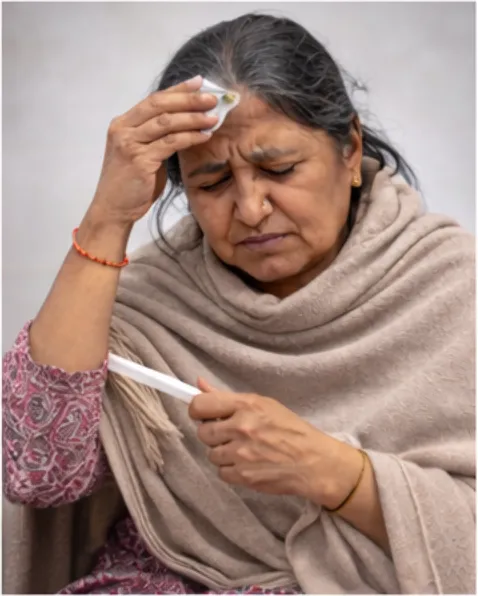
    Fever with Loin Pain — Kidney Infection (Pyelonephritis) Emergency

    Fever with Loin Pain — Kidney Infection (Pyelonephritis) Emergency

    High fever with back/flank pain is pyelonephritis. Needs urgent assessment — kidney damage risk. Do not wait.
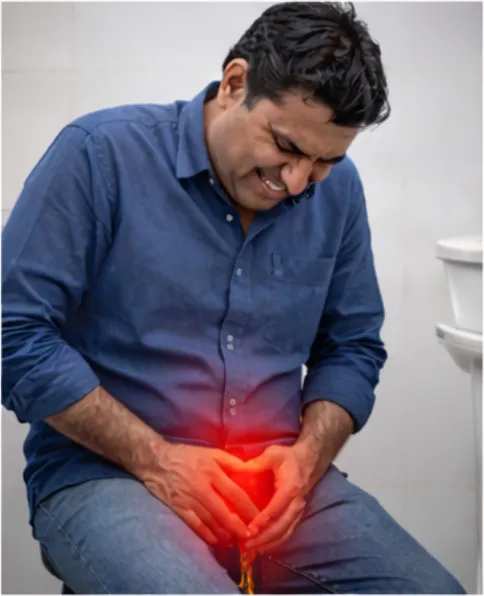
    Burning or Stinging Urination (Dysuria) — Hallmark UTI Symptom

    Burning or Stinging Urination (Dysuria) — Hallmark UTI Symptom

    Dysuria — the hallmark symptom of cystitis. Burning, stinging or pain during urination, often throughout or at the end.
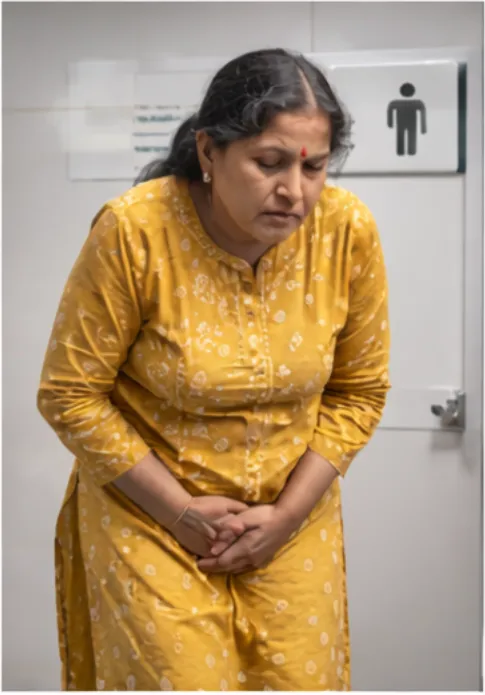
    Frequent Urination — Passing Small Amounts Every 15–30 Minutes

    Frequent Urination — Passing Small Amounts Every 15–30 Minutes

    Needing to urinate very frequently — every 15–30 minutes — passing only small amounts each time. Bladder feels constantly full.
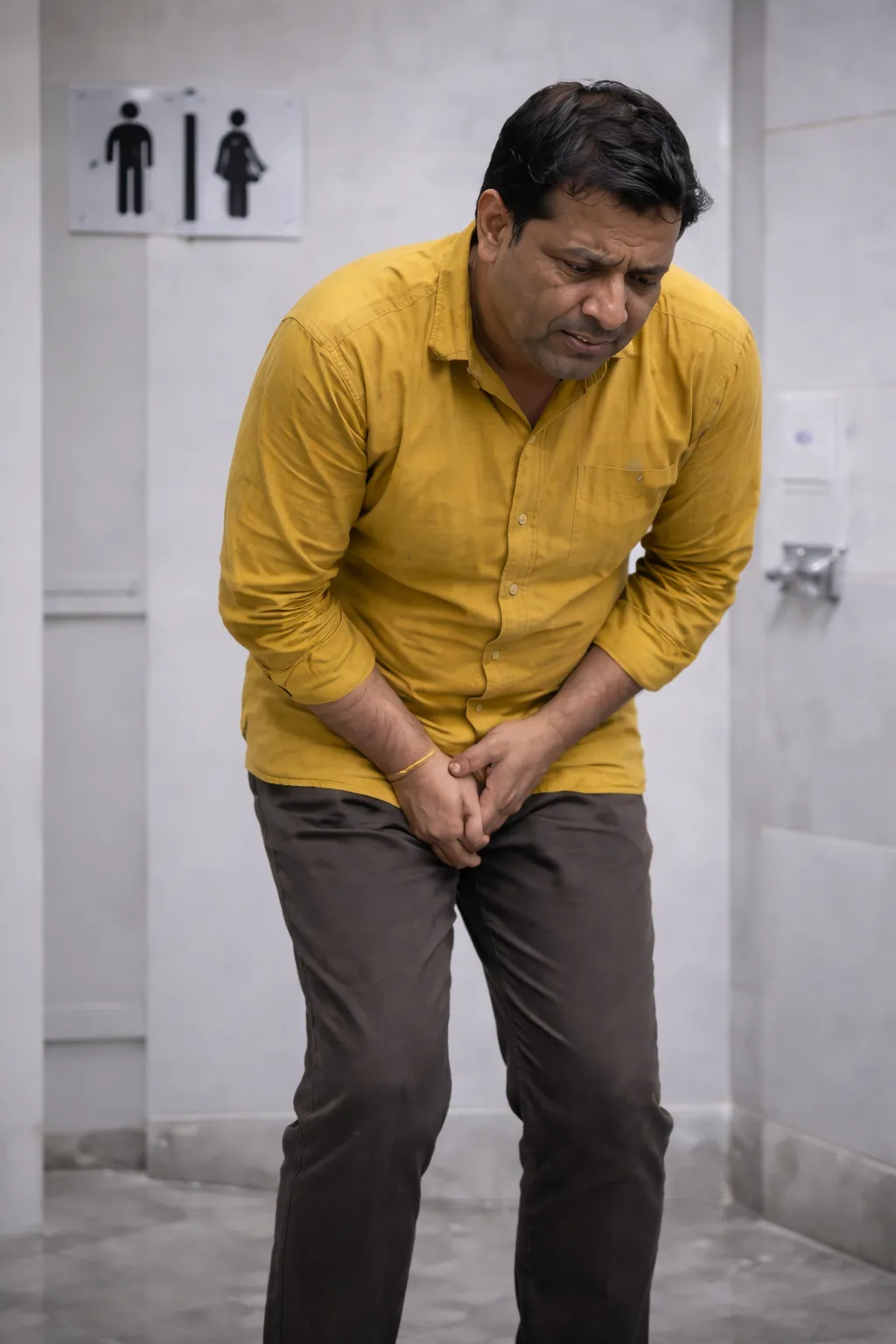
    Sudden Urge to Urinate (Urgency) — Irritated Bladder from UTI

    Sudden Urge to Urinate (Urgency) — Irritated Bladder from UTI

    Sudden, intense urge to urinate that cannot be delayed — often accompanied by leakage. Irritated bladder wall from bacterial infection.
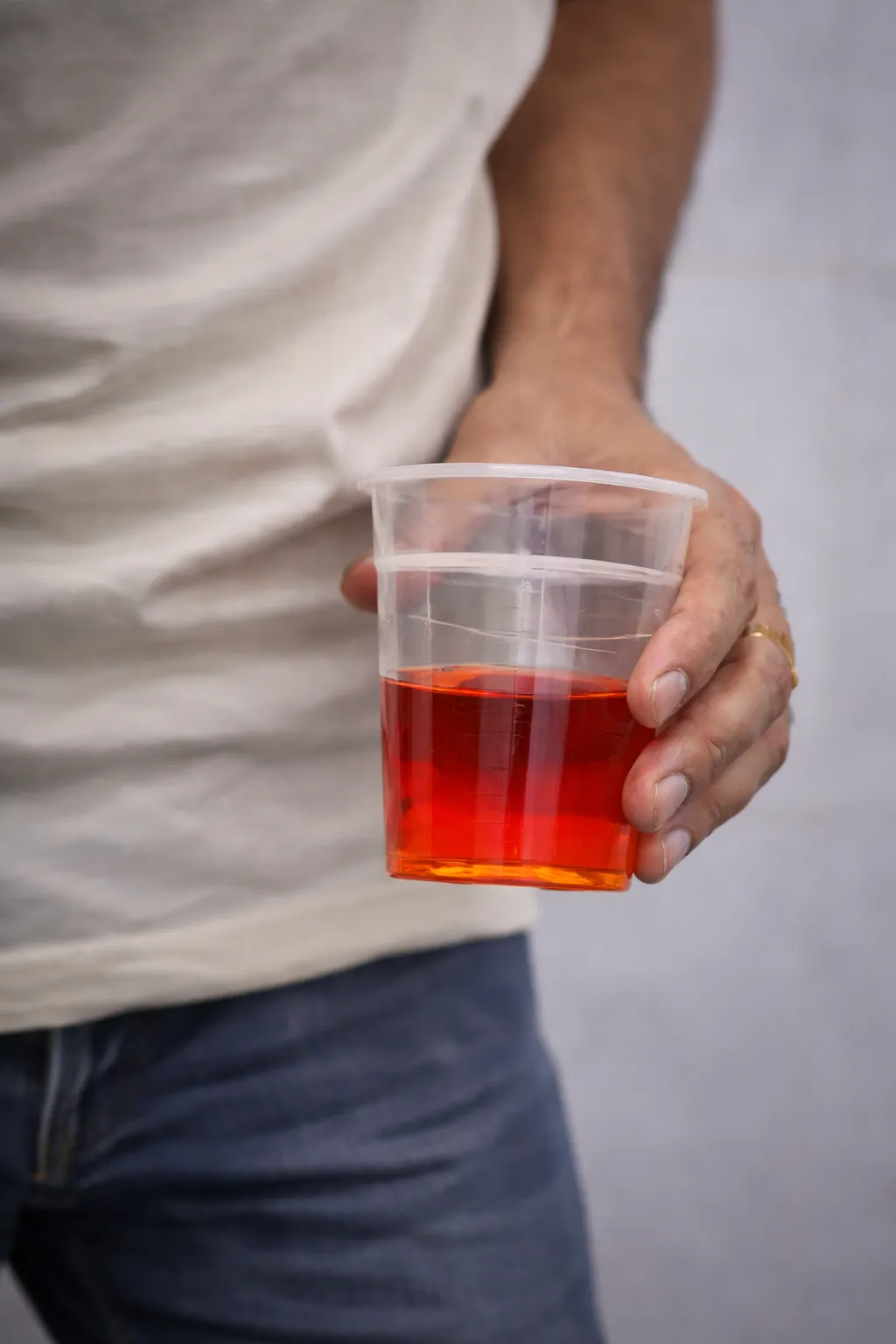
    Blood in Urine (Haematuria) from UTI — Must Rule Out Stone or Tumour

    Blood in Urine (Haematuria) from UTI — Must Rule Out Stone or Tumour

    Haematuria from UTI is common — inflamed bladder wall bleeds. Must be distinguished from haematuria from stone, tumour or kidney disease.
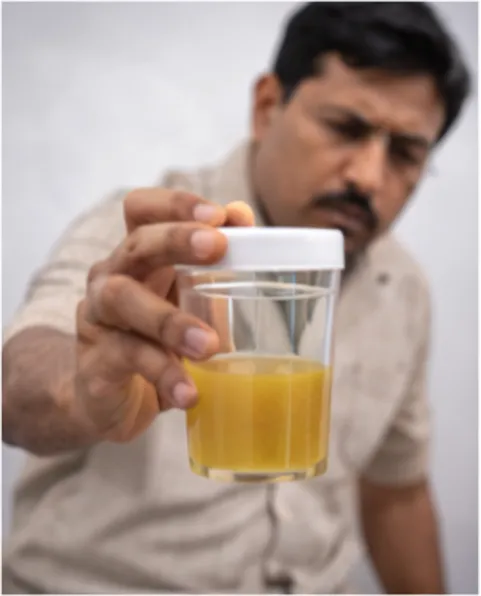
    Cloudy or Foul-Smelling Urine — Active Bladder Infection Signs

    Cloudy or Foul-Smelling Urine — Active Bladder Infection Signs

    Cloudy, turbid urine with strong or ammonia-like smell — caused by bacteria, white blood cells and debris from an active bladder infection.
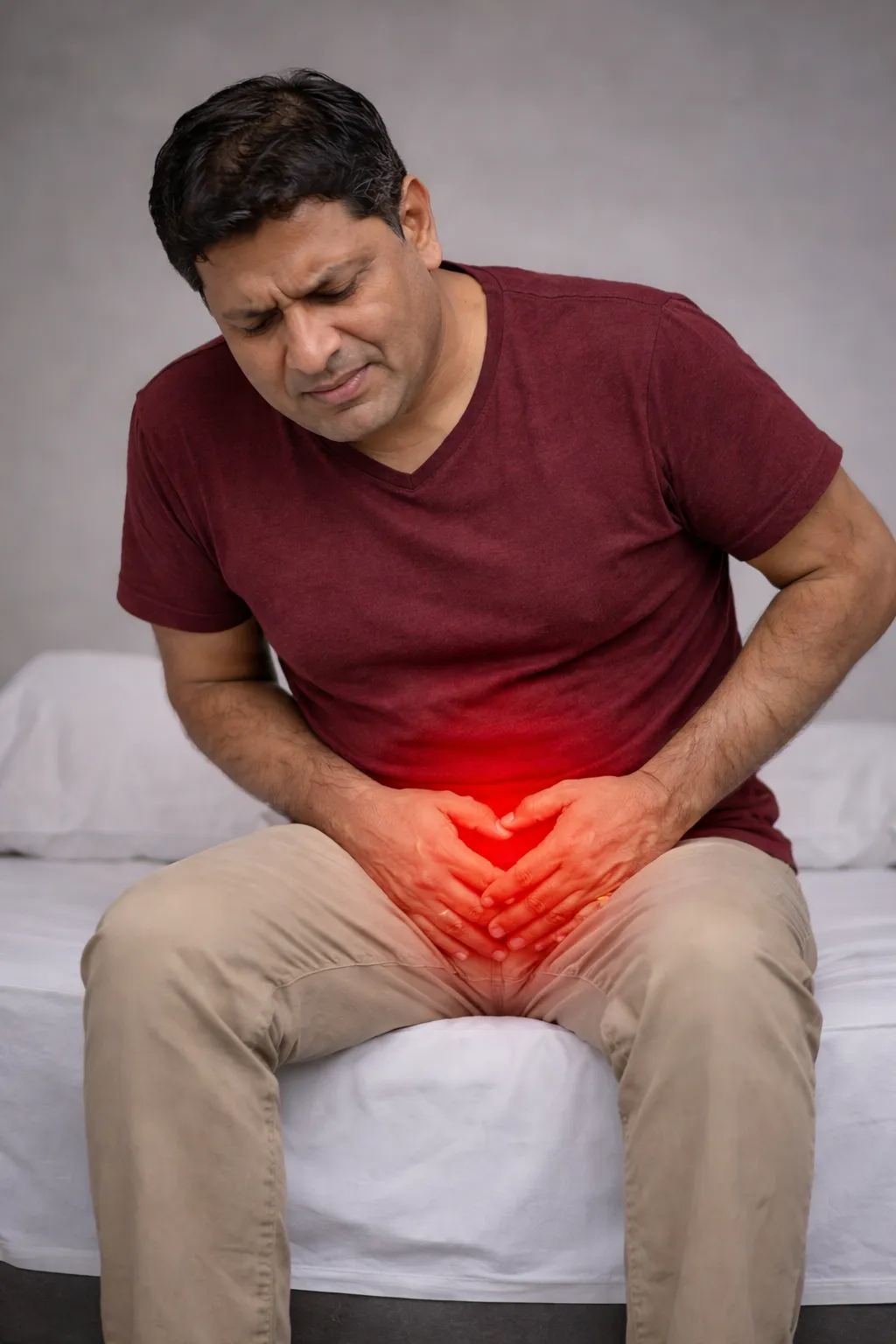
    Pelvic Pressure or Lower Abdominal Pain — Cystitis or Bladder Irritation

    Pelvic Pressure or Lower Abdominal Pain — Cystitis or Bladder Irritation

    Dull aching pressure in the lower abdomen or pelvis — from the inflamed, irritated bladder wall. Common in women with cystitis.
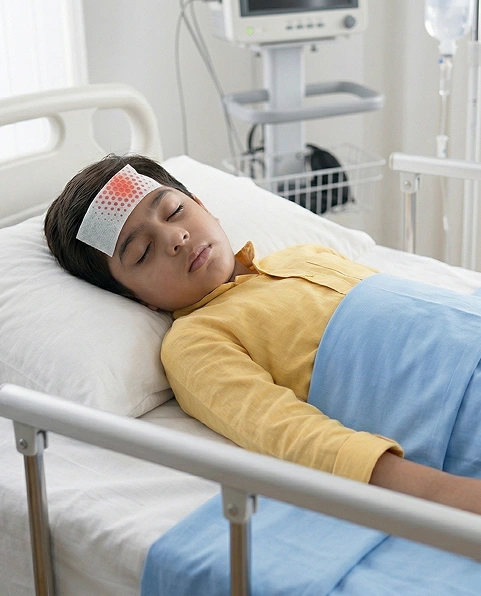
    UTI in Children & Elderly — Atypical Symptoms, Always Culture & Assess

    UTI in Children & Elderly — Atypical Symptoms, Always Culture & Assess

    Children and elderly patients may present with fever alone, confusion, vomiting or behaviour change — without typical burning. Always culture and assess.

    Treatment Pathways

    UTI Treatment Options in Ahmedabad — Culture-Guided, Not Guesswork

    Effective UTI treatment is not just about prescribing any antibiotic — it is about prescribing the right one, at the right dose, for the right duration, based on culture results. Here is how we manage each presentation.

    Urine Culture & Sensitivity Test in Ahmedabad — Correct Antibiotic, Not Guesswork

    Midstream urine before starting antibiotics

    A midstream urine (MSU) specimen is sent for culture and sensitivity before starting antibiotics in all but first-time uncomplicated UTI in young women. Culture identifies the exact bacteria (E. coli, Klebsiella, Pseudomonas, Enterococcus) and which antibiotics it responds to — ensuring correct targeted therapy and preventing antibiotic resistance from wrong prescriptions.

    24–48hr Result Exact Organism
    Best for: All recurrent, complicated, male or upper UTI — and any UTI where prior treatment has failed

    Culture-Guided Oral Antibiotic for Bladder Infection (Cystitis)

    Culture-guided, correct drug and duration

    Uncomplicated cystitis is treated with a 3–7 day course of the culture-sensitive antibiotic — typically nitrofurantoin, trimethoprim or fosfomycin. Duration matters: too short risks recurrence; too long drives resistance. Test of cure culture at 5–7 days confirms clearance. We do not just treat symptoms — we confirm bacterial eradication.

    3–7 Days Test of Cure
    Best for: Uncomplicated bladder infection (cystitis) — correct antibiotic based on culture

    IV Antibiotic Treatment for Kidney Infection (Pyelonephritis) in Ahmedabad

    Urgent hospitalisation for pyelonephritis

    Kidney infection (pyelonephritis) with fever, rigors or vomiting requires urgent assessment. Severe cases need hospitalisation, IV antibiotics (ceftriaxone, piperacillin-tazobactam based on culture), IV fluids and close monitoring. Renal ultrasound to exclude an obstructing stone driving the upper UTI — an infected obstructed kidney requires emergency drainage.

    Urgent IV → Oral Switch
    Best for: Pyelonephritis with fever, rigors, vomiting or sepsis signs

    Recurrent UTI Investigation in Ahmedabad — Root Cause, Not Another Antibiotic

    Ultrasound, uroflowmetry, hormonal assessment

    Recurrent UTI (3+ per year) is investigated with renal and bladder ultrasound, post-void residual measurement, uroflowmetry if obstruction is suspected, and blood tests including renal function. In women, hormonal assessment and review of hygiene, sexual and fluid intake patterns. In men, prostate evaluation. In all patients, antibiotic sensitivity profile of prior organisms reviewed.

    Root Cause Not Just Repeat Rx
    Best for: or more confirmed UTIs per year — investigation before another antibiotic course

    UTI Recurrence Prevention — Personalised Plan for Women, Men & High-Risk Patients

    Lifestyle, hormonal, prophylactic antibiotic plans

    After treating active infection, we provide a personalised prevention plan: hydration targets, post-coital voiding, D-mannose or cranberry supplementation where evidence supports it, topical oestrogen for postmenopausal women with recurrent UTI, and — in selected high-risk cases — low-dose antibiotic prophylaxis with culture-sensitive agent. Prevention is always the long-term goal.

    Long-term Plan Personalised
    Best for: Recurrent UTI prevention — tailored to each patient's risk factors and pattern

    UTI in Pregnancy, Children & Special Populations — Tailored Care at Trayam

    Children, pregnancy, catheter-associated, diabetic UTI

    UTI in children (especially boys or girls with febrile UTI) requires DMSA scan assessment for renal scarring and VUR evaluation. Pregnancy UTI must be treated promptly to prevent preterm labour. Catheter-associated and diabetic UTI require culture, specific antibiotic selection and device management. All special populations receive tailored management protocols at Trayam.

    Specialised Care Protocol-Based
    Best for: Children, pregnant women, catheterised patients, diabetic patients with UTI
    Why Trayam Urology

    Why Choose Trayam for UTI Treatment in Ahmedabad?

    We provide UTI treatment in Ahmedabad with the discipline it deserves — culture before antibiotics, root cause investigation for recurrent cases, and a genuine prevention plan.

    Culture
    Before Every Antibiotic
    48hr
    Symptom Improvement
    Root
    Cause Investigated
    24/7
    Emergency

    Urine Culture Before Every Antibiotic — Correct Treatment First Time

    We do not prescribe antibiotics by guesswork. Urine culture and sensitivity testing before treatment identifies the exact bacteria and the exact antibiotic it responds to — correct treatment first time, every time.

    Kidney Infection (Pyelonephritis) Treated as Urgent — Stone Excluded Before Prescribing

    Any UTI with fever and loin pain is assessed urgently. We exclude an obstructing stone or structural cause before prescribing — an infected obstructed kidney is a urological emergency requiring immediate drainage.

    Recurrent UTI Root Cause Investigation — Ultrasound, Flow Study & Hormonal Assessment

    We do not just prescribe another antibiotic course for recurrent UTI. We investigate with ultrasound, flow study, post-void residual, hormonal assessment and sensitivity profiling — and treat the underlying reason, not just the symptom.

    Antibiotic Stewardship — Narrowest-Spectrum Drug, No Resistance Created

    We use the narrowest-spectrum effective antibiotic for the correct duration. Empirical broad-spectrum antibiotics without culture contribute to resistance. Our culture-guided approach protects your microbiome and your long-term antibiotic sensitivity.

    Test of Cure Culture — We Confirm Bacterial Eradication, Not Just Symptom Relief

    A repeat urine culture at 5–7 days after treatment confirms bacterial eradication. Symptom improvement is not enough — we verify the bacteria are actually gone before considering treatment complete.

    Same-Day UTI Consultation in Ahmedabad — 48-Hour Symptom Improvement

    Febrile UTI in children under 5 is assessed with renal ultrasound and MCUG where indicated to identify vesicoureteric reflux before renal scarring occurs. Early detection protects kidney function for life.

    Expert Care

    Meet Dr. Renish Patel — UTI & Urinary Infection Specialist in Ahmedabad

    Dr. Renish Patel — Trayam Hospital
    MCh Urology Infection Specialist Recurrent UTI Paediatric UTI 10+ Yrs Exp.

    Dr. Renish Patel

    Senior Consultant Urologist — UTI, Recurrent Infection & Urinary Tract Specialist, Trayam Hospital

    Dr. Renish Patel has managed thousands of UTI cases — from first-time cystitis to complex recurrent infections, febrile upper tract infections and difficult cases involving antibiotic resistance. The approach is always culture-guided, the investigation always thorough, and the goal always to find and fix the underlying cause rather than just suppress the next infection with another antibiotic course.

    • MCh Urology
    • Advanced Urinary Infection & Recurrent UTI Management Training
    • Paediatric Urological Infection Assessment
    • Published clinical protocols on recurrent UTI investigation
    • Speaker — Urological Society of India Annual Conferences
    A Common Problem in UTI Treatment

    Repeated Antibiotics Without Ever Finding the Cause?

    UTI is one of the most over-treated and incorrectly treated conditions in outpatient medicine. Many patients receive repeated rounds of antibiotics without a culture, without investigation, and without a prevention plan — leading to resistance and chronic recurrence.

    • Antibiotics prescribed without a urine culture — treating UTI symptoms without a culture means there is no confirmation bacteria are present, no knowledge of which bacteria, and no way to know if the antibiotic chosen is actually effective. Wrong antibiotic = prolonged symptoms + resistance.
    • Recurrent UTI treated with repeated antibiotic courses without investigation — 3 or more UTIs per year require investigation for an underlying cause. Prescribing another antibiotic course without ultrasound, flow study or structural evaluation is incomplete care.
    • Fever + loin pain dismissed as "simple UTI" — this presentation requires urgent evaluation for pyelonephritis and ureteric obstruction. An infected, obstructed kidney not drained within hours can be permanently damaged. Fever with urinary symptoms is never a simple outpatient UTI.
    • No test of cure after treatment — symptom resolution does not confirm bacterial eradication. A follow-up culture at 5–7 days is essential to confirm the infection has cleared, especially in recurrent or complicated cases.
    The Trayam UTI Promise Culture before antibiotics. Investigation of recurrent UTI. Confirmation of clearance. A genuine prevention plan — not just another prescription.

    Culture and Sensitivity Before Every Antibiotic

    We send urine for culture and sensitivity before prescribing in all recurrent, complicated or upper UTI cases. The correct antibiotic is prescribed based on the actual bacteria — not empirical guesswork.

    Recurrent UTI Investigation — Always

    3 or more UTIs per year triggers a full investigation: renal ultrasound, post-void residual, uroflowmetry, hormonal assessment for women, prostate evaluation for men. We find and fix the cause.

    Prevention Plan — Not Just a Prescription

    Every recurrent UTI patient leaves with a personalised written prevention plan — hydration, hygiene, hormonal support, prophylaxis where appropriate. Our goal is to make this the last UTI you need to treat.

    Recurrent UTIs? Not responding to antibiotics?
    Bring your previous urine culture results and antibiotic history if available. We’ll find out what is actually causing your infections — and fix it.

    Confidential  ·  No Obligation  ·  Reply in 2 Hours

    Preventing Recurrence

    How to Prevent Recurrent UTI — Expert Advice for Women, Men & High-Risk Patients

    Most recurrent UTIs are preventable once the underlying cause is identified and addressed. These are the evidence-based strategies we use for our recurrent UTI patients.


    Hydrate — 2.5 Litres Daily

    Adequate fluid intake dilutes urine, flushes bacteria from the bladder before they establish infection, and reduces urine concentration that irritates the bladder wall. Target pale yellow urine throughout the day.

    💧 Pale yellow urine = adequate hydration

    Don't Hold — Void When You Need To

    Holding urine for prolonged periods allows bacteria time to multiply in the bladder. Urinate when the urge arises — every 3–4 hours during the day. Double voiding (wait 30 seconds and try again) helps empty the bladder more completely.

    ⏰ Void every 3–4 hours

    Post-Coital Voiding (Women)

    Urinating within 15–30 minutes after sexual intercourse flushes bacteria that may have entered the urethra during sex — one of the most effective single measures for women with coitus-related recurrent UTI.

    🚿 Void within 30 min of intercourse

    Topical Oestrogen — Postmenopausal Women

    Oestrogen deficiency after menopause thins the vaginal and urethral lining, increasing UTI susceptibility. Topical (vaginal) low-dose oestrogen cream restores healthy mucosal defence — the single most effective medical prevention for postmenopausal recurrent UTI.

    🌿 Discuss with your urologist

    D-Mannose & Cranberry

    D-mannose (a sugar molecule) prevents E. coli from adhering to bladder wall cells — evidence supports modest but real benefit in women with recurrent uncomplicated UTI. Cranberry extract has similar anti-adhesion properties. Both are safe supplements with no antibiotic resistance risk.

    🫐 Evidence-based supplements

    Low-Dose Prophylactic Antibiotics

    For patients with frequent recurrent UTI despite optimised lifestyle and hygiene measures — a low-dose culture-sensitive antibiotic taken daily or post-coitally significantly reduces recurrence frequency. Duration is typically 3–6 months with regular review and culture monitoring.

    💊 Selected cases only — with monitoring
    Patient Stories

    What Our Patients Say

    Trayam Hospital place picture
    5.0
    Based on 27 reviews
    powered by Google
    Jatin Patel profile picture
    Jatin Patel
    13:41 17 Apr 26


    I had severe back pain for years and was scared of surgery. Dr. Parth Patel at Trayam Hospital explained everything very calmly. My spine surgery went smoothly, recovery was fast, and I can walk pain-free now. Thank you sir for giving me my normal life back.
    Hitesh Vaghela profile picture
    Hitesh Vaghela
    05:18 10 Mar 26
    I have severe neck pain and difficulty in walking and imbalance with radicular pain
    Dr parth have operated cervical spine and I m very thankful to him.best spine surgeon
    Sudha Patel profile picture
    Sudha Patel
    14:16 02 Feb 26
    Really good service & good support.
    MUKESH PATEL profile picture
    MUKESH PATEL
    14:11 02 Feb 26
    Best orthopeadic and urology hospital
    Staff is polite and doctor provide best result.
    Umang Patel profile picture
    Umang Patel
    13:29 07 Jan 26
    Very nice hospital and surgery successfully completed also Dr. And staff very helpful.
    Ketan Darji profile picture
    Ketan Darji
    08:11 13 Dec 25
    I underwent total knee replacement at Trayam Hospital. From pre-surgery counselling to physiotherapy, everything was handled with full attention. Dr. Parth Patel’s team is excellent. I can walk comfortably now after many years.
    Raju Bhai profile picture
    Raju Bhai
    06:51 13 Dec 25
    I had slipped disc problem and was afraid of operation. Dr. Parth Patel did endoscopic spine surgery and it was a life changer. The hospital rooms are clean and staff is always smiling. Thank you Trayam Hospital!
    Sagar Kumar profile picture
    Sagar Kumar
    05:30 13 Dec 25
    Trayam Hospital is truly patient-friendly. Both Dr. Parth Patel and Dr. Renish Patel are very humble and professional. Staff is polite, rooms are neat, and treatment quality is top-notch. Best orthopaedic and urology hospital in Ahmedabad. 🙏
    Aastha Patel profile picture
    Aastha Patel
    06:53 16 Nov 25
    Trauma hospital exceeded my expectations! Dr. Parth's care and diagnosis really helped ease my foot pain, which I had been dealing with for a while. Appreciate the spot-on treatment and the team's support. Would definitely recommend
    Common Questions

    FAQs — UTI Treatment, Recurrent Infection, Urine Culture & Kidney Infection in Ahmedabad

    A bladder infection (cystitis) causes burning on urination, frequency and cloudy urine — but no fever. A kidney infection (pyelonephritis) causes high fever, rigors, loin pain and vomiting in addition to urinary symptoms. Any UTI with fever must be assessed urgently — it may be a kidney infection requiring IV antibiotics and investigation for obstruction.

    Recurrent UTI (3 or more per year) almost always has an underlying cause. In women: incomplete bladder emptying, hormonal changes after menopause, anatomical factors or post-coital pattern. In men: prostate enlargement causing residual urine. In both: antibiotic resistance from incomplete previous treatment. We investigate the cause before treating — not just repeat antibiotics.

    UTI treatment in Ahmedabad requiring hospitalisation — such as IV antibiotic treatment for pyelonephritis or emergency drainage of an infected obstructed kidney — is covered by all Indian health insurance policies. Trayam Hospital is empanelled with all major insurers. Outpatient UTI consultation and oral antibiotics may be claimed under OPD benefit depending on your policy terms.

    Uncomplicated lower UTI (cystitis) typically resolves within 3–7 days on the correct targeted antibiotic. Symptoms of burning and frequency usually start improving within 24–48 hours of correct therapy. Upper UTI (pyelonephritis) requires 10–14 days. If symptoms persist beyond 48–72 hours, a urine culture re-check is essential to confirm the right antibiotic is being used.

    Yes — repeated upper urinary tract infections (pyelonephritis) or untreated complicated UTI can cause renal scarring and progressive kidney damage. An infected obstructed kidney that is not drained promptly is particularly dangerous. This is why prompt, culture-guided treatment of upper UTI is critical, and why recurrent UTI must be investigated for underlying causes.

    Recurrent UTI evaluation includes: urine culture and sensitivity for the current episode, renal and bladder ultrasound, post-void residual measurement, uroflowmetry if obstruction is suspected, and blood tests including renal function. In postmenopausal women, hormonal assessment. In men, prostate evaluation. In children, VUR assessment.

    Some evidence supports modest benefits of cranberry products and D-mannose for UTI prevention in women with recurrent uncomplicated UTI — they reduce bacterial adhesion to bladder wall cells. They are not a substitute for investigation and treatment of recurrent UTI but are safe supplements with no resistance risk. We provide evidence-based guidance on both as part of prevention planning.

    UTI in men is less common than in women and is almost always considered a complicated UTI — warranting full investigation for a structural or obstructive cause such as BPH, urethral stricture or kidney stone. A UTI in a man should never be treated as a simple uncomplicated infection without proper evaluation including a prostate assessment and renal ultrasound.

    UTI treatment in Ahmedabad requiring hospitalisation — such as IV antibiotic treatment for pyelonephritis or emergency drainage of an infected obstructed kidney — is covered by all Indian health insurance policies. Trayam Hospital is empanelled with all major insurers. Outpatient UTI consultation and oral antibiotics may be claimed under OPD benefit depending on your policy terms.

    Effective UTI prevention: adequate hydration (2.5 litres per day), urinating promptly when the urge arises, post-coital voiding within 30 minutes for women, wiping front to back, avoiding harsh soaps near the urethra, and — for postmenopausal women — topical vaginal oestrogen if appropriate. We provide a personalised prevention plan for every recurrent UTI patient.

    Recurrent UTI? Burning & Frequency? Get It Properly Investigated.

    Bring your previous culture results if you have them — or we start fresh. Culture before antibiotics. Root cause found. Prevention plan provided.

    Chat on WhatsApp