Introduction: Understanding ACL Injuries in Active Lifestyles
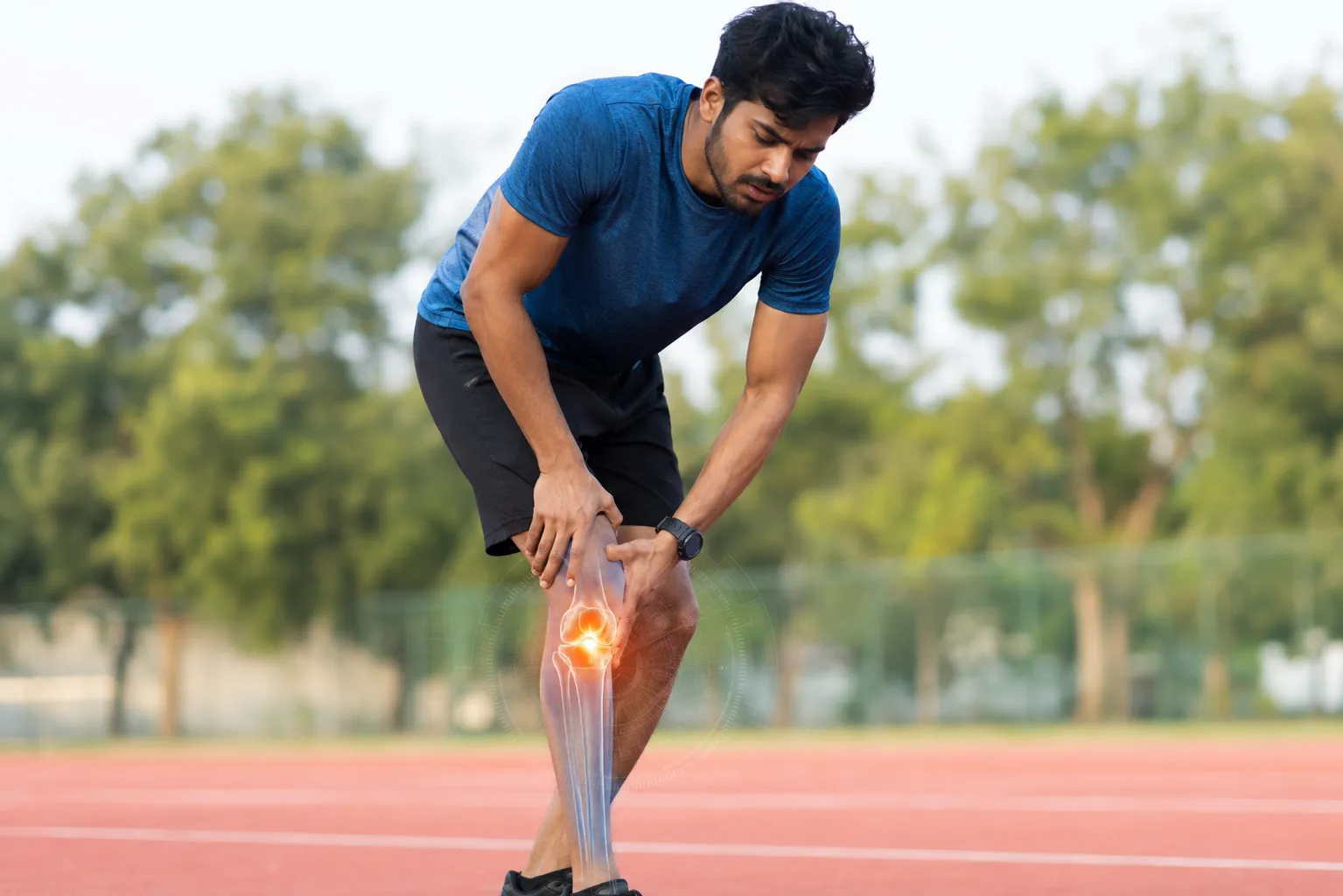
The Anterior Cruciate Ligament (ACL) plays a critical role in maintaining knee stability during movement, especially during running, jumping, or sudden directional changes.
ACL injuries are increasingly common among young individuals, athletes, and fitness enthusiasts in Ahmedabad due to high physical activity levels and sports participation.
If not treated properly, ACL injuries can lead to long-term knee instability and early arthritis.
What Happens in an ACL Tear?
An ACL tear occurs when the ligament connecting the thigh bone (femur) to the shin bone (tibia) is overstretched or completely torn.
This leads to:
- Knee instability
- Reduced strength
- Difficulty in movement control
Causes of ACL Injury
ACL injuries usually occur due to sudden stress on the knee.
Common causes include:
- Sudden change in direction while running
- Improper landing from a jump
- Direct blow to the knee
- Sports-related accidents
- Road accidents
Symptoms of ACL Tear
Patients may experience:
- Sudden sharp pain in the knee
- Swelling within a few hours
- Audible “pop” sound at injury time
- Difficulty bearing weight
- Feeling of knee instability
Diagnosis of ACL Injury
Accurate diagnosis is essential before treatment planning.
Methods include:
- Physical stability tests
- MRI scan
- Orthopaedic evaluation
Treatment Options
Non-Surgical Treatment (Partial Tear)
- Physiotherapy rehabilitation
- Knee strengthening exercises
- Activity modification
- Knee bracing
Surgical Treatment (Complete Tear)
- Arthroscopic ACL reconstruction
- Ligament graft replacement
Recovery Timeline
Recovery depends on injury severity and rehabilitation:
- Walking with support: 2–3 weeks
- Daily activities: 6–8 weeks
- Sports return: 6–9 months
Conclusion
ACL tear treatment requires early diagnosis and structured rehabilitation to restore full knee stability and prevent long-term complications.
FAQs
Partial tears may heal, but complete tears usually require surgery.
It takes approximately 6–9 months for full recovery.
Yes, it is essential for strength and stability restoration.
Yes, after proper rehabilitation and medical clearance.